How to Recover Faster After MMA Training
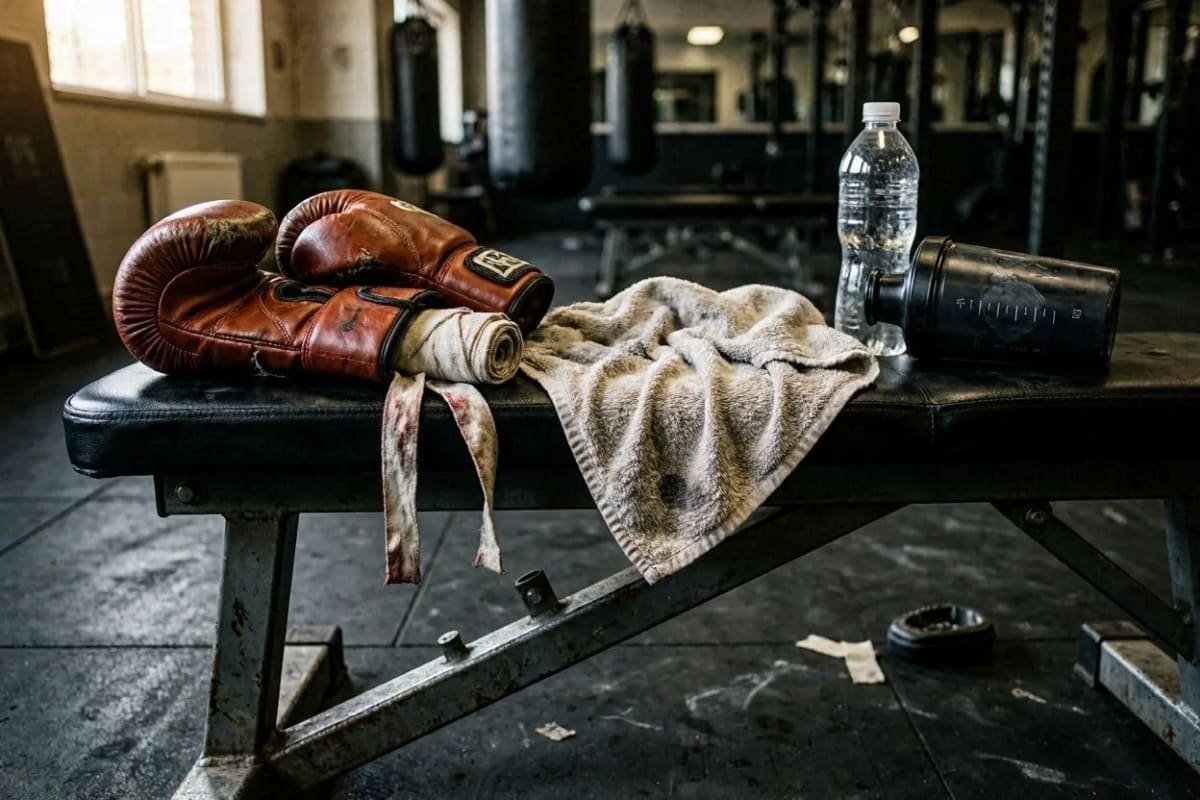
Recovery isn’t something you do after training. It’s something you build into training.
That is the whole idea. Everything else is just order of operations.
Recovery starts before you’re tired
Recovery starts before the damage does.
It happens when your coach does not add a fifth sparring round on Wednesday. When your shoulder has been screaming for three days. When you schedule Thursday as a light technical day instead of going to war two sessions in a row.
You do not recover from bad programming. You just accumulate damage at a slower rate. The way you structure your training week matters just as much, which is why we emphasized training sequence in How to Improve MMA Cardio.
Sleep beats everything
Not sleep hygiene tips. Not supplements. Not gadgets.
If you sleep five or six hours a night, everything else comes second.
Sleep deprivation slows your reactions, clouds your decisions, and slows the repair process your body depends on after hard training.
Elite athletes who consistently sleep longer react faster, recover better, and perform better under pressure. The sport changes. Human physiology doesn't.
You cannot out-recover sleep deprivation. That is not a metaphor. That is physiology.
Easy days are part of hard training
A light day is not a wasted day. It is the day that makes tomorrow’s hard session possible.
Zone 2 is where your body learns to recover while still moving.
You show up to Friday sparring less cooked because Tuesday’s easy run did its job quietly. The adaptation does not happen during the hard session. It happens in the hours after it, while your body is rebuilding.
Recovery doesn't make you softer. It lets you train hard often enough to become better.
We broke down exactly how Zone 2 fits into a fighter's week in our guide on Zone 2 Training for Fighters.
Food is recovery
Not supplements. Food.
The first hour after training is your window - your body is primed to absorb what it needs to start rebuilding. You finish sparring. You're drenched. You throw your gloves into your bag and drive home without eating. Recovery just started an hour late.
Twenty to forty grams of protein and a solid carbohydrate source. Nothing complicated. Your glycogen tanks are empty, your muscle tissue is damaged, and the repair process needs raw material. You either give it that material or you slow everything down.
Hydration belongs here too. During a hard ninety-minute session, you can lose three to five percent of your body weight in sweat. At two percent loss, your physical and mental output already drops. You feel it as heaviness, not thirst. By the time you are thirsty, you are already behind.
Eat. Drink water. Then do everything else.
Recovery gadgets are overrated
Ice baths, massage guns, compression boots. None of it is useless. All of it is secondary.
If you are not sleeping, not eating, and training without structure - you have not bought recovery tools. You have bought expensive distractions from the actual problems. The massage gun does not fix the fact that you sparred hard four days in a row. The ice bath does not undo a week of five-hour nights.
Use the tools after you have the basics locked. In that order, not the other way around.
Recovery starts in your calendar, not your shopping cart.
Deload before your body forces one
Every six to eight weeks of hard, progressive training, your body has accumulated more fatigue than a single rest day can clear.
Your numbers stop moving. Everything feels heavy. Sparring gets slower instead of sharper. If those signs sound familiar, they're some of the warning signs we covered in Overtraining Signs Every Fighter Ignores. That's your body asking for a deload.
Not when you feel like it. Before you need to. A deload week means dropping volume by thirty to fifty percent while keeping intensity similar - you are not going easy, you are going less. Five to seven days. Then you come back and the weights feel lighter than they did three weeks ago. That is supercompensation. That is the point.
The fighters who never deload are the ones who get injured in camp, not in the fight. GSP tore his ACL in training, not in the Octagon. The gym accumulates damage. The calendar is where you manage it.
Your body always sends the invoice. The only question is when.
Final thought
Sleep. Eat. Train with structure. Use tools last.
That is the order. Not because it sounds clean on paper - because each one enables the next. You cannot absorb a hard session if the previous one never fully cleared. You cannot clear a hard session if you are not sleeping. You cannot sleep your way out of a program that gives your body no room to breathe.
The fight does not care how hard you trained. It only cares what you can still do when the damage adds up.
Was this post helpful?
Your feedback helps us improve our content.